Skip to main content
Introduction
The United Arab Emirates (UAE) introduced Value Added Tax (VAT) in 2018, marking a significant change in how the country raises revenue. This move aimed to reduce the UAE’s reliance on oil income and diversify its sources of government funding. Since then, VAT has changed how businesses plan, manage, and report their finances.
As the UAE grows as a global business hub, it is essential for companies to understand how VAT works and how to follow its rules. In this guide, we will explain what VAT is, how it works in the UAE, its impact on businesses, and what companies need to do to stay compliant. With this knowledge, businesses can manage VAT properly and avoid issues with the Federal Tax Authority (FTA).
What is VAT?
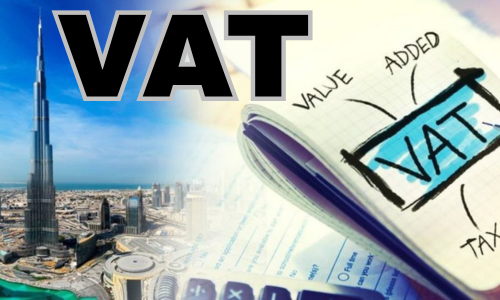
VAT is a tax added at each stage of the supply chain — from manufacturing to the final sale of goods or services. Although businesses collect and pay this tax to the government, the end consumer ultimately pays for it.
Unlike income tax, which is paid on profits, VAT is collected every time goods or services are sold. Businesses pay VAT on what they buy (called input tax) and collect VAT on what they sell (called output tax). They then pay the difference between these amounts to the government. This system is designed to be fair and efficient, preventing double taxation and ensuring transparency.
VAT in the UAE
The UAE introduced VAT on January 1, 2018, at a standard rate of 5%. This was part of a wider agreement among the Gulf Cooperation Council (GCC) countries to strengthen and diversify their economies.
For many years, the UAE depended on oil revenue. But as oil prices have fluctuated, the government saw the need for more stable and predictable sources of revenue to fund public services and infrastructure. VAT helps fill that gap and supports the UAE’s long-term economic growth.
Impact on Businesses
VAT has affected nearly all businesses in the UAE. Companies had to change how they price their goods and services, manage cash flow, and handle accounting.
For example, businesses needed to review their supply chains, adjust prices to include VAT, and update their contracts with suppliers and customers to reflect VAT-inclusive terms. Many companies also invested in better accounting software, hired tax experts, and trained their staff to handle VAT reporting and compliance.
In other words, VAT has become part of day-to-day decision-making, affecting everything from purchasing to sales to after-sales services.
VAT Registration
Businesses with yearly taxable supplies and imports of more than AED 375,000 must register for VAT with the Federal Tax Authority. Those with turnover above AED 187,500 can register voluntarily.
Once registered, businesses must:
-
charge VAT on taxable goods and services
-
issue proper VAT invoices
-
keep clear records of their transactions
-
file VAT returns on time
-
pay the VAT they owe
If a business does not register when required, or fails to follow VAT rules, it can face penalties and other legal consequences. Therefore, understanding and meeting VAT registration requirements is extremely important.

Input Tax Credit
One helpful feature of the VAT system is the Input Tax Credit (ITC). This allows businesses to claim back the VAT they paid on their purchases and expenses related to their business activities.
For example, if a company buys raw materials and pays VAT on them, it can later subtract that amount from the VAT it collects on the products it sells. Only the difference goes to the FTA. This helps avoid being taxed twice on the same value and supports smooth business operations.
However, companies must be careful. Only VAT paid on expenses directly related to taxable business activities can be claimed as an input tax credit. Businesses must keep proper records, such as valid tax invoices, to back up their claims. Mistakes or false claims can lead to large penalties, so accurate bookkeeping is essential.
Compliance Requirements
VAT compliance is crucial for businesses. Companies must keep detailed and accurate records of all their sales, purchases, imports, exports, and inventory. These records must be kept for at least five years.
Invoices must meet FTA requirements, showing details such as the supplier’s and customer’s Tax Registration Number (TRN), the VAT charged, and a clear description of the goods or services. Incorrect or missing information can result in penalties.
Businesses also have to file VAT returns either quarterly or monthly, depending on their situation. These returns should accurately show the VAT collected, the input tax claimed, and the total VAT owed. Filing and paying VAT on time is critical to avoid fines and interest charges.
On top of that, the FTA may audit businesses to check that they are complying with the rules. Companies must cooperate with these audits by providing all requested records and explanations.

Challenges and Opportunities
There is no doubt that VAT compliance has created challenges for businesses. Companies have had to invest in staff training, systems, and consultants to ensure they are following the rules.
However, VAT has also created opportunities. It has encouraged businesses to build stronger internal controls, improve their accounting practices, and operate more transparently. This can build trust among customers, suppliers, and investors.
Furthermore, VAT helps level the playing field by making sure all businesses contribute to funding public services, which supports fairer competition and economic growth.
Conclusion
In Conclusion, VAT represents a big change in how the UAE collects taxes and funds its development. It has transformed how businesses plan their finances, price their goods and services, and manage compliance.
By understanding how VAT works — including registration rules, input tax credits, and compliance requirements — businesses can protect themselves from penalties and stay competitive. At the same time, they contribute to the UAE’s economic growth and stability.
Companies that invest in proper VAT knowledge, keep good records, and follow the rules will be in a strong position to succeed in the UAE’s growing and dynamic economy. With careful planning and good management, businesses can turn the challenge of VAT into an opportunity for growth and long-term success.

Recent Comments