All Posts By

admin

Tax Consultant in Dubai

The Role of Tax Consultants in Dubai’s

By TAX Consultant Services in UAENo Comments

Introduction

Dubai, known globally for its opulence, trade-friendly infrastructure, and forward-thinking economic strategies, has traditionally thrived in a low-tax environment. However, as the emirate aligns itself with international best practices and global financial standards, its taxation framework is rapidly maturing. The introduction of corporate tax in 2023, and the earlier implementation of Value Added Tax (VAT) in 2018, are key indicators of this transformation. In such a dynamic fiscal environment, the role of tax consultants has become more crucial than ever.

Tax consultants, once considered ancillary, are now pivotal for both individuals and businesses aiming to comply with regulations while optimizing their tax positions. These professionals not only interpret evolving tax laws but also offer strategic insights that can enhance financial efficiency and mitigate legal risk.

tax consultant in dubai

Understanding the Role of a Tax Consultant

At its core, a tax consultant’s responsibility is to provide informed advice on how best to navigate a country’s tax framework. These professionals possess deep knowledge of both national and international tax codes, enabling them to offer guidance that ensures compliance and strategic advantage. In the context of Dubai—where tax legislation is relatively recent and continues to evolve—tax consultants play a dual role: ensuring adherence to statutory obligations and advising on tax-efficient structuring.

Moreover, consultants serve as intermediaries between businesses and the Federal Tax Authority (FTA). They manage documentation, oversee timely filings, and assist during audits or dispute resolutions, thereby shielding clients from potential financial or reputational damage.

Dubai’s Distinct Tax Environment

1. Zero Personal Income Tax

One of Dubai’s most alluring features is the absence of personal income tax, a policy that has attracted countless expatriates and investors. However, this often leads to the mistaken belief that taxation is a non-issue in the emirate. While individual income remains untaxed, numerous other tax obligations persist—especially for businesses. This underscores the necessity of professional advice to avoid costly misinterpretations.

2. Introduction of Corporate Tax

In a landmark move, the United Arab Emirates introduced a federal corporate tax in 2023, imposing a 9% tax on business profits exceeding AED 375,000. This marks a significant departure from the tax-free business climate that once defined the region. Although the rate is competitive globally, the need for strategic tax planning has intensified. Businesses must now restructure financial operations and reporting systems to remain compliant and efficient.

3. VAT and Its Implications

Since January 2018, the UAE has enforced a 5% Value Added Tax on most goods and services. While the rate is modest, VAT introduces an additional layer of complexity. Businesses must now register with the FTA, file returns periodically, and maintain comprehensive records. Mistakes or delays can lead to penalties or audits, which makes the role of a tax consultant indispensable.

VAT Process

Why Businesses in Dubai Require Tax Consultants

1. Regulatory Compliance

Tax compliance is not merely about meeting deadlines—it involves the accurate interpretation of tax rules and diligent documentation. The UAE’s legal framework is precise, and non-compliance can result in severe fines or even license suspension. Tax consultants help businesses stay compliant through accurate filings, timely updates, and thorough record-keeping.

2. Strategic Planning

Beyond compliance, businesses aim to minimize tax liabilities within legal boundaries. Consultants assist in restructuring operations, optimizing deductions, and identifying jurisdictional advantages—thereby enhancing overall fiscal performance.

3. Risk Management

Tax audits, investigations, and retrospective tax assessments can expose businesses to unexpected risks. Engaging a consultant proactively mitigates such threats, ensuring that procedures and documentation are always audit-ready.

Essential Qualifications of a Professional Tax Consultant

The effectiveness of a tax consultant depends significantly on their qualifications and experience. Key credentials include:

  • Academic Background: A degree in finance, accounting, or law from a reputable institution provides essential foundational knowledge.

  • Professional Certifications: Credentials such as CA (Chartered Accountant), CPA (Certified Public Accountant), ACCA, or CTA add international credibility and reflect technical expertise.

  • Local Regulatory Expertise: Familiarity with UAE tax laws and FTA procedures is critical, especially in a landscape subject to frequent regulatory updates.

registration of trade name UAE

Types of Tax Advisory Services Available in Dubai

Tax consultants in Dubai offer a wide array of services tailored to meet diverse client needs. Key offerings include:

1. Corporate Tax Planning

Consultants help structure business models to maximize deductions and ensure proper profit attribution. This is especially important under the new corporate tax regime, where correct classification of income and expenses is essential.

2. VAT Compliance and Filing

This includes VAT registration, filing periodic returns, and ensuring adherence to FTA guidelines. Consultants also manage deregistration when necessary, maintaining clean tax records.

3. International Tax Structuring

Global companies operating in the UAE benefit from expert advice on avoiding double taxation, leveraging treaties, and efficiently structuring operations across jurisdictions.

4. Tax Residency and Domicile Planning

High-net-worth individuals and internationally mobile executives require careful planning to establish tax residency in the UAE while maintaining compliance in their home countries.

5. Transfer Pricing Advisory

Multinationals must ensure that intercompany transactions reflect arm’s length pricing. Consultants develop OECD-compliant documentation and strategies to avoid tax authority scrutiny.

6. Dispute Resolution

In case of disagreements with the FTA, consultants represent clients in objections, appeals, and negotiations—ensuring that rights are protected and outcomes optimized.

Tax Advisor

How to Choose the Right Tax Consultant in Dubai

Selecting the right tax advisor can significantly impact your financial health. Consider the following:

  • Reputation and Experience: A proven track record across various industries ensures strategic depth and reliability.

  • Industry Specialization: Sector-specific expertise—whether in real estate, logistics, or finance—enhances relevance.

  • Transparent Pricing: Whether on a fixed-fee, retainer, or project basis, clear fee structures help ensure alignment with client expectations.

The Future of Tax Consultancy in Dubai

As Dubai continues to integrate with global financial systems, its tax landscape will become more sophisticated. Businesses must remain agile, and tax consultants must stay ahead of regulatory changes.

Furthermore, the rise of ESG (Environmental, Social, and Governance) standards is influencing corporate tax behavior. Companies are expected to demonstrate ethical tax practices and transparency—making the role of tax consultants broader and more critical than ever.

Conclusion

Dubai’s shift from a low-tax haven to a jurisdiction with increasing fiscal responsibilities is reshaping the way businesses operate. In this evolving environment, tax consultants are not just service providers—they are strategic partners in financial stewardship. From navigating VAT compliance to optimizing cross-border tax structures, their expertise ensures both regulatory adherence and competitive advantage.

Engaging a qualified tax consultant is no longer optional—it is a fundamental component of sustainable business success in Dubai.

Corporate Tax Advisory UAE

Corporate Tax Advisory Services in UAE

By Corporate Tax Advisory ServicesNo Comments

Introduction

The United Arab Emirates (UAE), once known for its tax-free business environment, has introduced corporate tax measures to align with international standards like the OECD’s BEPS framework. This shift marks a significant change in the UAE’s fiscal policy and highlights the rising importance of corporate tax advisory services. As businesses adapt to the new tax landscape, expert guidance is essential for compliance, liability management, and cross-border tax planning. This article explores the UAE’s corporate tax system, available advisory services, and the strategic advantages of engaging professional tax advisors.

corporate tax advisory uae

Corporate Tax in UAE: An Overview

Key Features of the UAE Corporate Tax Regime

The UAE’s corporate tax regime, effective from June 2023, introduces a standard corporate tax rate of 9% on business profits exceeding AED 375,000. This tax applies to most business entities, aligning the UAE’s tax framework with global norms and reinforcing its commitment to fiscal transparency and economic diversification.

Importantly, the regime incorporates provisions in line with the OECD’s BEPS initiatives and the upcoming global minimum tax rules under Pillar Two, targeting large multinational enterprises. This alignment is designed to discourage harmful tax practices while ensuring that profits are taxed where economic activities occur.

Applicability and Exemptions

The scope of applicability is comprehensive yet nuanced. While mainland businesses fall squarely under the new tax regime, free zone entities—a cornerstone of the UAE’s economic model—may continue to benefit from tax exemptions, provided they meet the criteria of maintaining substance and earning qualifying income.

Furthermore, specific sectors such as natural resource extraction remain subject to Emirate-level taxation and are currently outside the purview of the federal corporate tax framework.

corporate tax regime uae

Recent Developments in UAE Tax Laws

In the wake of the new regime, the UAE has rolled out several complementary regulations to ensure a robust enforcement framework. These include:

  • Transfer pricing rules

  • General anti-avoidance provisions

  • Enhanced compliance and reporting obligations

Collectively, these developments underscore the importance of accurate documentation, timely disclosures, and prudent tax planning—areas where corporate tax advisory services add immense value.

The Role of Corporate Tax Advisory Services

Importance of Professional Tax Guidance

Navigating the intricacies of a newly established tax regime can be challenging, particularly for businesses unfamiliar with local and international taxation principles. Professional tax advisors bridge this gap by providing:

  • Interpretations of legislative provisions

  • Strategic structuring advice

  • Ongoing compliance support

In essence, tax advisors act as strategic partners, helping businesses adapt their operations in a way that is both tax-efficient and legally compliant.

Challenges Faced by Businesses Without Advisory Support

Businesses operating without expert tax advisory often face significant risks, including:

  • Financial penalties for inaccurate or late filings

  • Reputational damage stemming from non-compliance

  • Operational disruptions due to unexpected audits or disputes

These risks are further compounded for multinational organizations dealing with complex international tax obligations, underscoring the critical need for specialized guidance.

uae corporate tax advisory

Types of Corporate Tax Advisory Services

1. Tax Planning and Strategy Development

Tax planning goes beyond mere compliance. It involves structuring transactions and operations in a way that aligns with corporate goals while minimizing tax exposure. Advisors consider multiple variables such as:

  • Industry-specific regulations

  • Jurisdictional risks

  • Long-term financial goals

This results in customized strategies that drive sustainable value.

2. Compliance and Regulatory Advisory

With the introduction of mandatory tax return filings, documentation requirements, and reporting deadlines, businesses must maintain a high level of administrative discipline. Tax advisors assist with:

  • Timely and accurate tax filings

  • Maintenance of proper accounting records

  • Navigating interactions with the Federal Tax Authority (FTA)

3. Tax Risk Management and Mitigation

Given the UAE’s stringent anti-avoidance rules, identifying and mitigating tax risks has become essential. Advisors help businesses:

  • Assess exposure to audits and disputes

  • Implement internal controls

  • Prepare for voluntary disclosures, if needed

4. International Tax Advisory and Cross-Border Transactions

As a regional hub for multinational corporations, the UAE serves as a nexus for global trade and investment. Cross-border transactions often give rise to:

  • Permanent establishment risks

  • Double taxation

  • Foreign tax credit issues

Expert advisors leverage double taxation treaties (DTTs) and international structuring strategies to mitigate these challenges.

5. Utilizing Double Taxation Treaties

The UAE maintains over 130 DTTs with various jurisdictions, offering significant relief from double taxation. Tax advisors help companies identify relevant treaties and apply for treaty benefits effectively.

Proactive Measures to Address Tax Audits

Preparation is key. Businesses should:

  • Maintain detailed documentation

  • Conduct internal reviews

  • Seek voluntary disclosure when errors are identified

Future Trends in UAE Corporate Tax Advisory

1. The Impact of Global Minimum Tax Rules

As the OECD’s Pillar Two gains traction, large multinational groups will face new compliance burdens. Tax advisory firms will be instrumental in evaluating Effective Tax Rates (ETRs) and implementing top-up tax provisions where applicable.

2. Rise of Technology-Driven Tax Solutions

The next phase of tax advisory will be characterized by digital tools, including:

  • AI-based compliance tracking

  • Blockchain for record-keeping

  • Predictive analytics for risk modeling

3. Focus on Sustainability and ESG Considerations in Tax Planning

With growing investor emphasis on Environmental, Social, and Governance (ESG) factors, tax strategies are evolving to incorporate:

  • Green incentives

  • Social impact assessments

  • Ethical tax practices

Conclusion

The UAE’s shift to a regulated corporate tax system marks a key change in its economic direction, bringing both challenges and opportunities. Corporate tax advisory services have become essential, helping businesses stay compliant, reduce risks, and optimize tax strategies. As tax regulations evolve, companies that seek expert guidance now will be better equipped to succeed in the UAE’s competitive business environment.


Corporate tax in the uae

Understanding Corporate Tax in the UAE: What You Need to Know

By Corporate Tax in the UAENo Comments

Introduction

For a long time, the United Arab Emirates (UAE) has been known as a business-friendly place with almost no taxes, attracting entrepreneurs, corporations, and investors from all over the world. But things are changing. The UAE has decided to introduce a corporate tax system.

This change is not meant to push businesses away. Instead, it helps the UAE align with global tax standards, support long-term economic stability, and maintain the country’s status as a leading international business hub.

In this article, we’ll break down the UAE’s corporate tax rules, explain what they mean for businesses, and show you how to adapt.

corporate tax in uae

How the UAE Tax System Has Evolved

Historically, the UAE was nearly tax-free, which encouraged rapid business growth and made it a top destination for investment. But as the global economy evolved, the UAE needed to adapt.

In 2018, the government introduced Value Added Tax (VAT) as its first major tax. Now, with the rollout of corporate tax, the UAE is taking another step to build a transparent and fair tax system that meets international guidelines from organizations like the OECD.

Why Did the UAE Introduce Corporate Tax?

There are several good reasons:

  • Stable revenue: The UAE wants to generate revenue that does not rely so heavily on oil.

  • Global standards: Corporate tax helps the UAE follow international tax rules and prevent harmful tax practices.

  • Fairness and transparency: A clear, fair tax system builds trust and strengthens the UAE’s reputation as a responsible economic partner.

What is Corporate Tax in the UAE?

Corporate tax is a direct tax on the profits businesses make. In the UAE, it applies to both local companies and foreign businesses earning income in the country.

The corporate tax rate is set at 9% for taxable income above a certain threshold. This is still very competitive compared to global standards. The government has also ensured that:

  • Strategic sectors, such as oil and gas extraction, are exempt.

  • Free zone companies can maintain a 0% tax rate for qualifying activities if they meet specific requirements.

Corporate Business Profit Tax

Who Pays Corporate Tax?

Here’s a quick breakdown:

  • Mainland companies: Must pay corporate tax on their profits.

  • Free zone companies: Income from mainland activities or from non-qualifying activities is taxed at 9%, while qualifying activities can remain at 0%.

  • Foreign businesses: Non-resident businesses with a UAE-based permanent establishment must pay corporate tax.

  • Multinational companies: Must comply, especially under anti-tax avoidance rules.

  • SMEs: Small and medium-sized businesses benefit from a tax-free threshold to encourage entrepreneurship.

How Do You Calculate Taxable Income?

Taxable profit is calculated as follows:

1. Start with your total revenue

2. Subtract legitimate business expenses (operational costs, depreciation, etc.)

3. The remaining amount is your taxable profit

If your business has losses, you can carry them forward to offset future profits, which helps protect cash flow during tough periods.

Calculate taxable income UAE

Transfer Pricing Rules

If your business works with related parties (such as subsidiaries or affiliates), you must follow the “arm’s length principle.” This means charging fair, market-based prices so that profits are not unfairly shifted between companies to reduce taxes.

What Are Your Compliance Duties?

Compliance is very important under the UAE corporate tax system. Businesses must:

  • Register for corporate tax and obtain a Tax Identification Number (TIN)

  • File tax returns on time every year

  • Keep proper records to present to the authorities if requested

If you do not follow these rules, you could face fines, penalties, or even legal consequences.

What About Free Zones?

Free zones are a key part of the UAE’s business environment. Under the new tax rules:

  • Free zone businesses can still enjoy a 0% tax rate for qualifying activities if they meet substance requirements

  • Any non-qualifying income, or income earned from the UAE mainland, will be taxed at the standard 9% rate

Additionally, the UAE has signed many double taxation treaties, which help businesses avoid being taxed twice on the same income — a huge benefit for companies operating internationally.

How Will Corporate Tax Affect Businesses?

There is no doubt this is a big change. Companies will need to review their structures, investments, and financial strategies.

However, introducing corporate tax shows that the UAE is moving toward a more mature and stable economy, which is positive for long-term investor confidence.

Despite these new tax rules, the UAE remains attractive for foreign investors thanks to its world-class infrastructure, strong legal system, and excellent location.

Industry-Specific Impacts

Different industries will feel the effects in different ways:

  • Oil and gas: Will continue to have its own sector-specific rules

  • Banking and finance: Will face stricter oversight because of their importance to the economy

  • Digital and e-commerce: Will need to classify income carefully, especially for cross-border sales

Corporate tax Business Sales UAE

How to Plan for Corporate Tax

Businesses should not see corporate tax only as a cost but as something to manage strategically. Here is what you can do:

  • Review your business structure to stay tax-efficient

  • Use available exemptions or incentives, such as those in free zones

  • Build a solid compliance process to handle audits and reporting smoothly

Using Technology for Tax Compliance

Modern technology can help a lot. Digital tax systems and artificial intelligence tools can:

  • Automate filing

  • Catch errors

  • Keep your reporting on track

This reduces human mistakes and saves time, giving you peace of mind. As tax rules change, technology will become even more critical.

What’s Next for UAE Corporate Tax?

The UAE’s corporate tax framework will likely continue to evolve. Global initiatives, like the global minimum tax, could lead to more changes in the future.

That is why businesses should stay alert and flexible, adapting their plans as new rules come into effect.

Conclusion

The introduction of corporate tax is a major milestone for the UAE. While it adds some complexity, it also shows the country is committed to being a responsible, sustainable, and globally respected business hub.

Businesses should treat corporate tax compliance as a strategic priority, not an afterthought. With the right planning, strong systems, and a proactive approach, corporate tax can help build stronger, more resilient companies for the future.

Instead of seeing it as a problem, think of it as the next step in the UAE’s growth story — supporting a stable, transparent, and competitive economy that benefits everyone.

VAT in the UAE

Understanding VAT in the UAE: A Comprehensive Guide

By VAT Registration in DubaiNo Comments

Introduction

The United Arab Emirates (UAE) introduced Value Added Tax (VAT) in 2018, marking a significant change in how the country raises revenue. This move aimed to reduce the UAE’s reliance on oil income and diversify its sources of government funding. Since then, VAT has changed how businesses plan, manage, and report their finances.

As the UAE grows as a global business hub, it is essential for companies to understand how VAT works and how to follow its rules. In this guide, we will explain what VAT is, how it works in the UAE, its impact on businesses, and what companies need to do to stay compliant. With this knowledge, businesses can manage VAT properly and avoid issues with the Federal Tax Authority (FTA).

VAT

What is VAT?

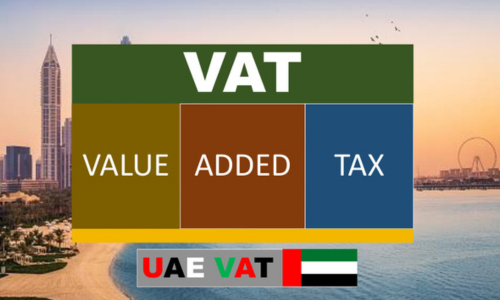
VAT is a tax added at each stage of the supply chain — from manufacturing to the final sale of goods or services. Although businesses collect and pay this tax to the government, the end consumer ultimately pays for it.

Unlike income tax, which is paid on profits, VAT is collected every time goods or services are sold. Businesses pay VAT on what they buy (called input tax) and collect VAT on what they sell (called output tax). They then pay the difference between these amounts to the government. This system is designed to be fair and efficient, preventing double taxation and ensuring transparency.

VAT in the UAE

The UAE introduced VAT on January 1, 2018, at a standard rate of 5%. This was part of a wider agreement among the Gulf Cooperation Council (GCC) countries to strengthen and diversify their economies.

For many years, the UAE depended on oil revenue. But as oil prices have fluctuated, the government saw the need for more stable and predictable sources of revenue to fund public services and infrastructure. VAT helps fill that gap and supports the UAE’s long-term economic growth.

VAT UAE

Impact on Businesses

VAT has affected nearly all businesses in the UAE. Companies had to change how they price their goods and services, manage cash flow, and handle accounting.

For example, businesses needed to review their supply chains, adjust prices to include VAT, and update their contracts with suppliers and customers to reflect VAT-inclusive terms. Many companies also invested in better accounting software, hired tax experts, and trained their staff to handle VAT reporting and compliance.

In other words, VAT has become part of day-to-day decision-making, affecting everything from purchasing to sales to after-sales services.

VAT Registration

Businesses with yearly taxable supplies and imports of more than AED 375,000 must register for VAT with the Federal Tax Authority. Those with turnover above AED 187,500 can register voluntarily.

Once registered, businesses must:

  • charge VAT on taxable goods and services

  • issue proper VAT invoices

  • keep clear records of their transactions

  • file VAT returns on time

  • pay the VAT they owe

If a business does not register when required, or fails to follow VAT rules, it can face penalties and other legal consequences. Therefore, understanding and meeting VAT registration requirements is extremely important.

VAT Registration

Input Tax Credit

One helpful feature of the VAT system is the Input Tax Credit (ITC). This allows businesses to claim back the VAT they paid on their purchases and expenses related to their business activities.

For example, if a company buys raw materials and pays VAT on them, it can later subtract that amount from the VAT it collects on the products it sells. Only the difference goes to the FTA. This helps avoid being taxed twice on the same value and supports smooth business operations.

However, companies must be careful. Only VAT paid on expenses directly related to taxable business activities can be claimed as an input tax credit. Businesses must keep proper records, such as valid tax invoices, to back up their claims. Mistakes or false claims can lead to large penalties, so accurate bookkeeping is essential.

Compliance Requirements

VAT compliance is crucial for businesses. Companies must keep detailed and accurate records of all their sales, purchases, imports, exports, and inventory. These records must be kept for at least five years.

Invoices must meet FTA requirements, showing details such as the supplier’s and customer’s Tax Registration Number (TRN), the VAT charged, and a clear description of the goods or services. Incorrect or missing information can result in penalties.

Businesses also have to file VAT returns either quarterly or monthly, depending on their situation. These returns should accurately show the VAT collected, the input tax claimed, and the total VAT owed. Filing and paying VAT on time is critical to avoid fines and interest charges.

On top of that, the FTA may audit businesses to check that they are complying with the rules. Companies must cooperate with these audits by providing all requested records and explanations.

vat filing return uae

Challenges and Opportunities

There is no doubt that VAT compliance has created challenges for businesses. Companies have had to invest in staff training, systems, and consultants to ensure they are following the rules.

However, VAT has also created opportunities. It has encouraged businesses to build stronger internal controls, improve their accounting practices, and operate more transparently. This can build trust among customers, suppliers, and investors.

Furthermore, VAT helps level the playing field by making sure all businesses contribute to funding public services, which supports fairer competition and economic growth.

Conclusion

In Conclusion, VAT represents a big change in how the UAE collects taxes and funds its development. It has transformed how businesses plan their finances, price their goods and services, and manage compliance.

By understanding how VAT works — including registration rules, input tax credits, and compliance requirements — businesses can protect themselves from penalties and stay competitive. At the same time, they contribute to the UAE’s economic growth and stability.

Companies that invest in proper VAT knowledge, keep good records, and follow the rules will be in a strong position to succeed in the UAE’s growing and dynamic economy. With careful planning and good management, businesses can turn the challenge of VAT into an opportunity for growth and long-term success.

Company Formation in the UAE

Company Formation in the UAE: A Comprehensive Guide

By Company Formation in UAENo Comments

Introduction

Over the past two decades, the United Arab Emirates (UAE) has emerged as one of the most attractive jurisdictions for entrepreneurs and international investors seeking to establish a strategic base in the Middle East. With its business-friendly regulatory ecosystem, sophisticated infrastructure, and zero income tax regime, the UAE has rightfully positioned itself as a beacon of corporate expansion and innovation. In an increasingly globalized world, the UAE’s policy framework and stable environment make it a compelling choice for company formation and long-term investment.

company formation in UAE

Strategic Importance of the UAE as a Business Hub

Situated at the confluence of Europe, Asia, and Africa, the UAE offers seamless access to a market of over two billion consumers. Furthermore, its world-class logistics facilities, advanced digital infrastructure, and forward-looking trade policies have elevated the UAE as a premier regional hub for commerce and investment. The UAE’s ports, airports, and free zones are globally ranked for their efficiency, thus ensuring that entrepreneurs and investors benefit from smooth cross-border trade and connectivity. In essence, the UAE’s geographical and logistical advantages create an unparalleled platform for business growth.

Understanding the Legal Framework

The UAE’s legal framework is a hybrid system combining elements of civil law with principles of Sharia law, providing a comprehensive, well-regulated environment for business activities. The primary legislation governing commercial activity is Federal Law No. 2 of 2015 on Commercial Companies, which, alongside its amendments, outlines business structures, ownership criteria, and operational requirements. This regulatory framework aims to protect investors while ensuring transparency and legal certainty. Additionally, each emirate has the authority to implement supplementary rules, thereby adding a layer of emirate-specific flexibility. As a result, entrepreneurs can tailor their company formation strategy to align with both federal and local legal requirements.

Mainland, Free Zone, and Offshore: A Comparative Analysis

When considering company formation in the UAE, one must assess the three major jurisdictions: mainland, free zone, and offshore.

Mainland Companies

Licensed by the Department of Economic Development (DED) of each emirate, mainland companies can operate without geographical restrictions across the UAE. They can also bid for public sector contracts, offering a significant advantage for businesses aiming to tap into the local market. However, mainland companies may face higher compliance obligations and sometimes require a local Emirati partner or service agent, depending on the business activity.

Free Zone Companies

Free zones are special economic areas designed to promote industry-specific growth through incentives such as 100% foreign ownership, customs exemptions, and simplified regulatory processes. Each free zone focuses on strategic sectors, such as technology, media, logistics, or healthcare, and provides tailored infrastructure to support those industries. Nevertheless, free zone companies generally cannot trade directly within the UAE mainland unless they appoint a local distributor.

Offshore Entities

Offshore companies, typically registered in JAFZA or RAK ICC, are mainly used for asset protection, holding structures, or international trading. These entities are prohibited from conducting business within the UAE but serve well for global wealth structuring and tax planning purposes. Offshore structures often provide privacy, flexible shareholding options, and protection from foreign judgments.

mainland company formation UAE

Business Entity Types

The UAE offers a range of legal structures suitable for diverse commercial objectives.

  • Sole Proprietorship: Designed for individuals offering professional services, this structure allows exclusive ownership but imposes unlimited liability on the proprietor.

  • Limited Liability Company (LLC): The most popular structure, an LLC provides limited liability protection and requires at least two shareholders. LLCs are flexible and can operate across the UAE.

  • Civil Company: Suitable for licensed professionals such as doctors, engineers, or consultants, this form allows 100% foreign ownership but mandates a local service agent.

  • Private Shareholding Company: Appropriate for ventures requiring substantial but private capital contributions, with a minimum AED 5 million capital requirement.

  • Public Shareholding Company: Suited to large-scale enterprises with plans to list on a stock exchange, this structure requires a minimum of AED 30 million in capital and strict corporate governance compliance.

Regulatory Authorities

Several regulatory bodies oversee the company formation and compliance process in the UAE:

  • Department of Economic Development (DED): Handles licensing and registration for mainland companies.

  • Free Zone Authorities: Independent entities managing licensing, visa issuance, and regulatory enforcement within specific free zones.

  • Securities and Commodities Authority (SCA): Supervises listed companies and ensures investor protection through robust reporting and disclosure norms.

Jurisdictional Strategy

Selecting the right jurisdiction is crucial. Entrepreneurs must evaluate the nature of their business, target customers, ownership preferences, and tax consequences. For instance, a technology startup may find Dubai Internet City advantageous due to its innovation-focused ecosystem, while a commodity trading business might prefer the Dubai Multi Commodities Centre (DMCC) for its exceptional logistical advantages.

Trade Name Registration

The trade name of a company must accurately reflect its business activities, avoid offensive or religious references, and be distinct from existing trademarks. Approval of the trade name is mandatory before incorporation can proceed, and the relevant licensing authority reserves the right to reject non-compliant names.

registration of trade name UAECapital Requirements and Shareholding Norms

While many free zones have abolished minimum capital requirements, others still require evidence of capital deposits. For LLCs, there is no minimum legal capital enforced, though practical thresholds may be recommended depending on the business sector.

Visa Quotas and Employee Sponsorship

Every company must obtain an establishment card and register with the Ministry of Human Resources and Emiratisation (MOHRE). Visa quotas are generally linked to the company’s leased office space and business type. Employees are sponsored under the company’s trade license, and failure to comply with visa norms may result in penalties or license suspension.

Office Space and Flexi-Desk Options

Physical presence remains a standard requirement. Nonetheless, many free zones have introduced flexible co-working spaces and virtual offices to accommodate startups and SMEs seeking cost-effective solutions.

Taxation and Corporate Incentives

Historically, the UAE has offered a 0% corporate and personal income tax regime. However, as of June 2023, a 9% corporate tax applies to profits exceeding AED 375,000. Free zones still offer tax holidays under certain conditions, subject to adherence to economic substance regulations. These incentives continue to make the UAE a competitive jurisdiction for company formation.

company formation of taxation

Bank Account Procedures

Establishing a corporate bank account requires submission of a trade license, memorandum of association, shareholder passport copies, and proof of address. Enhanced due diligence, including declarations about the source of funds, is a standard part of the banking compliance process.

Legal Obligations of Foreign Shareholders and Directors

Foreign directors and shareholders must abide by residency, visa, and reporting requirements. In addition, they bear fiduciary responsibilities to ensure accurate reporting and avoid conflicts of interest.

Common Pitfalls

Many new entrants face challenges due to ambiguous ownership structures, non-compliance with labor laws, or failure to protect intellectual property. Moreover, selecting the wrong free zone can limit operational scope. Therefore, engaging qualified legal and business advisors is essential to mitigate these risks.

Future Business Landscape

Looking ahead, the UAE is embracing technological transformation, environmental sustainability, and improved regulatory transparency. The introduction of long-term visas, 100% foreign ownership reforms, and an evolving digital trade ecosystem are poised to further strengthen the UAE’s appeal for global entrepreneurs.

Conclusion

In Conclusion, company formation in the UAE offers immense opportunities for those willing to plan strategically and comply with its robust regulatory framework. By selecting the right jurisdiction, understanding legal obligations, and adopting sound corporate governance, investors can fully leverage the UAE’s economic potential and thrive in this dynamic marketplace. The UAE remains a powerful gateway to regional and international growth, providing a sophisticated platform for companies ready to scale.

UAE VAT Return File

Easy Guide to VAT Return Filing in UAE

By VAT Return Filling in DubaiNo Comments

Introduction

Value Added Tax (VAT) is a cornerstone of the modern taxation framework in the United Arab Emirates (UAE). Since its implementation on January 1, 2018, at a standard rate of 5%, VAT has become an essential part of the business ecosystem. For companies operating in Dubai—a global hub for commerce, tourism, and innovation—compliance with VAT regulations is not just a legal requirement but also a reflection of corporate integrity and financial discipline.

This guide provides an in-depth overview of VAT return filing in the UAE, with a specific focus on the unique business landscape of Dubai. It outlines registration thresholds, filing procedures, compliance requirements, and common pitfalls that businesses must navigate to remain aligned with the Federal Tax Authority (FTA) regulations.
vat return file uae

Understanding VAT Return Filing in the UAE

VAT is an indirect tax imposed on the consumption of most goods and services. It is collected by businesses at each stage of the supply chain and is ultimately borne by the final consumer. In the UAE, businesses must file VAT returns if their annual taxable turnover exceeds AED 375,000.

VAT return filing involves reporting two main components:

  • Output VAT: The VAT collected from customers on taxable supplies.
  • Input VAT: The VAT paid to suppliers on business-related purchases.

The net difference between these figures determines whether the business must pay VAT to the FTA or is eligible for a refund.

Filing Frequency and Deadlines

The FTA prescribes two primary filing frequencies based on the size and revenue of the business:

  • Monthly Filing: Required for businesses with annual taxable supplies exceeding AED 150 million.
  • Quarterly Filing: Applicable to all other VAT-registered businesses.

VAT returns and associated payments must be submitted by the 28th day of the month following the end of the tax period. If the 28th falls on a public holiday or weekend, the deadline is extended to the next working day.

Timely compliance is critical. Failure to file VAT returns on time results in penalties:

  • AED 1,000 for the first offense.
  • AED 2,000 for repeated violations within 24 months.

VAT return filing uae

Digital Filing via EmaraTax

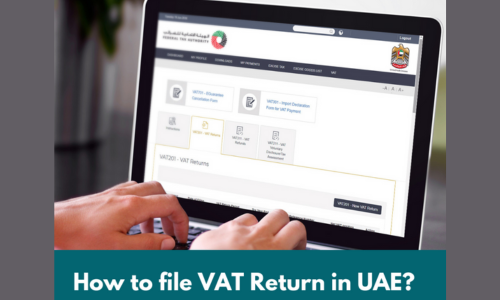
The UAE’s digital-first approach is exemplified by EmaraTax, the FTA’s official platform for managing tax obligations. Filing a VAT return is fully digital and involves the following steps:

1. Log In: Access the EmaraTax portal using your registered credentials.

2. Complete VAT 201 Form:

Enter relevant figures, including:

  • Total taxable sales and output VAT
  • Total taxable purchases and input VAT
  • Imports and exports (including reverse charge entries, if applicable)

3. Review and Submit: Carefully verify all information to avoid errors, which can prompt audits.

4. Make Payment: Use any FTA-approved payment method such as bank transfers, credit cards, or e-Dirham.

The platform supports a wide range of business types, including those operating in free zones and international markets.
VAT File Return UAE

VAT Return Filing in Dubai: Unique Considerations

While VAT return filing in Dubai follows federal guidelines, the emirate’s unique economic environment introduces additional complexities.

1. Economic Diversity and Transactional Complexity

Dubai’s status as a global business and tourism hub means companies often deal with a mix of taxable, zero-rated, and exempt transactions, such as:

  • Zero-rated supplies: e.g., exports outside the GCC
  • Exempt supplies: e.g., certain financial services and residential property rentals

Proper classification and accurate reporting are crucial to ensure compliance.

2. Free Zones and Designated Zones

Dubai hosts several free zones, including Jebel Ali Free Zone (JAFZA) and Dubai Multi Commodities Centre (DMCC). Some of these are recognized as Designated Zones under UAE VAT law. Transactions involving the movement of goods between Designated Zones or from these zones to the mainland are subject to special VAT rules.

Businesses must keep accurate records to apply the correct VAT treatment.

3. Tourism and Tax Refunds for Tourists

Dubai’s thriving tourism industry introduces an additional VAT reporting element. Under the Tax Refunds for Tourists Scheme, participating retailers must report VAT refunds issued to eligible tourists. These refunds are shown as negative amounts on the VAT return and must be documented properly.

Reverse Charge Mechanism (RCM)

The Reverse Charge Mechanism shifts the responsibility of reporting VAT from the supplier to the recipient. This mainly applies to:

  • Imported services from outside the GCC (e.g., IT services, consultancy)
  • Certain goods imported into the UAE mainland

Businesses must self-assess the VAT due and report it in the relevant RCM section of the VAT 201 form.

Compliance Best Practices

To ensure smooth and accurate VAT return filing, businesses should adopt the following best practices:

1. Stay Organized

Keep digital and physical records of all transactions, invoices, and VAT payments. Tools like QuickBooks, Xero, or Zoho Books can help streamline this process.

2. Know Your Deadlines

Set automated calendar reminders and allocate internal resources in advance to avoid last-minute errors or delays.

3. Consult Tax Professionals

Hiring VAT consultants or advisory firms can be invaluable, especially for businesses with complex operations or international dealings.

4. Double-Check Imports

Ensure all imports and services subject to RCM are accurately recorded. This is a common area for mistakes and audit flags.

5. File Early

Submitting returns a few days before the deadline can help avoid technical glitches or last-minute portal issues.

vat filing return uae

Why Compliance Matters

VAT compliance is more than a legal requirement—it reflects your business’s commitment to transparency and responsible governance. The UAE government uses VAT revenues to invest in key sectors like:

  • Infrastructure
  • Healthcare
  • Education
  • Public Services

In Dubai’s competitive business landscape, a strong compliance record builds trust with investors, enhances credibility, and helps avoid costly penalties or reputational harm.

Common Pitfalls to Avoid

Even though VAT filing is digital, many businesses still make avoidable mistakes, such as:

  • Late Filings: Automatically incur fines and can delay tax clearance.
  • Incorrect Data Entry: Can lead to audits and reassessments.
  • Ignoring Refund Claims: Businesses with excess input VAT should apply for refunds promptly to optimize cash flow.

Conclusion

VAT return filing in Dubai is an essential yet manageable task for businesses in one of the world’s most dynamic markets. By understanding the legal framework, using digital tools like EmaraTax, and following best practices, companies can turn VAT compliance from a challenge into a streamlined, efficient process.


 

Corporate Tax Filing in UAE

A Simple Guide to Corporate Tax Filing in the UAE

By Corporate Tax in the UAENo Comments

Introduction

As the United Arab Emirates (UAE) evolves into a globally integrated economy, regulatory frameworks such as corporate tax have become increasingly important. The implementation of corporate tax by the Federal Tax Authority (FTA) marks a significant step toward aligning the nation’s financial systems with international taxation standards. For businesses operating in the UAE, understanding and adhering to corporate tax filing requirements is not merely a matter of compliance but a critical aspect of strategic financial planning.

This comprehensive guide provides an in-depth understanding of corporate tax filing in the UAE, highlighting eligibility, processes, timelines, and penalties. It also explores the role of corporate tax consultants and the importance of sound record-keeping in ensuring compliance.

corporate tax filing UAE

What is Corporate Tax in the UAE?

Corporate tax, often referred to as business profit tax, is a direct tax imposed on the net income or profit of corporations and other business entities. Introduced by the UAE government as part of its fiscal reforms, the corporate tax framework aims to support the nation’s commitment to transparency and economic diversification.

The corporate tax rate in the UAE is currently set at 9% for taxable income exceeding AED 375,000. Businesses with profits below this threshold remain exempt, thereby encouraging small business growth while capturing revenue from more substantial commercial activities. This strategic rate positions the UAE as a competitive yet compliant player in the global taxation environment.

Who Must File Corporate Tax Returns?

Understanding which entities are required to file corporate tax returns is crucial. The filing mandate applies to both domestic and foreign entities, subject to specific conditions.

Entities Required to File:

  • Foreign companies operating through a permanent establishment in the UAE

  • All UAE-resident companies registered under the FTA for corporate tax purposes

  • Free Zone entities, unless they qualify and elect for tax exemption under specific conditions

Exempt Entities:

Certain organizations are either fully exempt or required to apply for exemption under the FTA’s provisions. These include:

  • Government bodies and public sector institutions

  • Companies engaged in natural resource extraction, which are taxed at the emirate level

  • Charitable entities and qualifying investment funds that meet exemption requirements outlined by the FTA

Exemption does not eliminate the obligation to maintain records or notify the FTA of one’s status. Therefore, even exempt businesses must be vigilant with documentation and reporting.

Corporate Business Profit Tax

Corporate Tax Filing Process in the UAE

The process of corporate tax filing in the UAE is streamlined through the Federal Tax Authority’s digital platform. However, businesses must follow a disciplined approach to ensure compliance.

1. Prepare Financial Statements

The foundation of tax filing begins with maintaining accurate accounting records. For larger companies, audited financial statements are typically required. These statements must reflect actual revenues, expenses, and other financial activities.

2. Determine Taxable Income

Using the financial records, companies must compute net profit and adjust it for taxable deductions, exemptions, and non-deductible expenses. This step is critical to determine the exact tax liability.

3. Access the FTA e-Services Portal

All corporate tax returns must be submitted through the FTA’s online platform. Businesses need to ensure that their corporate tax account is activated and authenticated for secure access.

4. Complete the Corporate Tax Return

Within the portal, companies must fill out the tax return form, which includes:

  • General business information

  • Financial figures from income statements

  • A list of deductions and exempt income

  • Tax liability calculations

5. File the Return and Pay Tax

After verifying all data, the tax return should be submitted electronically. Payment of any corporate tax due must be made in accordance with FTA guidelines, typically through approved banking channels.

corporate tax filing process

Deadlines for Filing Corporate Tax

Timeliness in corporate tax filing is essential to avoid fines and maintain good standing with the authorities. Generally, businesses are given nine months from the end of their financial year to file the tax return.

Examples:

  • If a company’s financial year ends on December 31, 2024, the filing deadline is September 30, 2025.

  • If the financial year ends on June 30, 2024, the tax return must be submitted by March 31, 2025.

Early preparation and submission are encouraged to minimize last-minute issues and avoid penalties.

The Role of Corporate Tax Consultants

Navigating the intricacies of corporate tax law in the UAE can be complex, especially for entities with international ties or intricate financial operations. This is where the expertise of a corporate tax consultant becomes invaluable.

Key Services Provided by Tax Consultants:

  • Accurate tax computation to ensure correct liability calculations

  • Guidance on permissible deductions, exemptions, and adjustments

  • Monitoring regulatory updates from the FTA and ensuring compliance

  • Assistance during audits or inquiries initiated by the FTA

  • Strategic tax planning to minimize future liabilities and maximize compliance benefits

Partnering with a reputable consultant can significantly reduce administrative burdens and enhance tax strategy.

Corporate Tax Compliance and Record-Keeping

Tax compliance in the UAE extends beyond the annual filing. Businesses must adopt a culture of continuous financial diligence and documentation.

Mandatory Compliance Practices:

  • Maintain financial records and supporting documents (e.g., invoices, contracts, bank statements) for at least seven years

  • File tax returns annually, with accurate reporting of income, deductions, and profits

  • Make timely tax payments to avoid interest and penalties

  • Understand and document all deductible expenses, including operational costs, depreciation, and allowable interest

Failure to meet these obligations can result in financial penalties and reputational damage.

corporate tax filing consultant

Penalties for Non-Compliance

The FTA has implemented a strict penalty regime to enforce compliance. Companies that neglect their tax obligations may face various consequences.

Potential Penalties Include:

  • Late filing penalties for missing the return submission deadline

  • Fines for failure to maintain required records

  • Audits and increased scrutiny for inaccurate or misleading tax returns

  • Repeated violations may lead to business restrictions, such as license suspension or legal action

Being proactive about tax compliance is both a legal requirement and a smart business strategy.

Conclusion

Corporate tax filing in the UAE is no longer optional—it is a vital part of doing business in a more regulated economy. The 9% tax rate may appear modest, but the consequences of non-compliance can be severe. Therefore, businesses must prioritize accurate tax filing, maintain organized records, and stay informed of their obligations under FTA guidelines.

By understanding the tax structure, meeting deadlines, and seeking professional advice when needed, companies can ensure compliance and support their long-term success. As the UAE strengthens its global economic presence, responsible corporate tax practices will remain a cornerstone of sustainable business growth.

Register for Corporate Tax UAE

How to Register for Corporate Tax in UAE: Process & Benefits

By Corporate Tax in the UAENo Comments

Introduction

In alignment with international taxation norms and to strengthen economic growth, the United Arab Emirates (UAE) has implemented corporate taxation for businesses operating within the country. As a progressive jurisdiction with a dynamic business environment, the UAE aims to establish a robust tax framework that not only supports public services but also enhances the global competitiveness of its enterprises. Consequently, all eligible businesses are now required to register for corporate tax through the Federal Tax Authority (FTA).

This article outlines the essentials of corporate tax registration in Dubai, UAE, including its definition, registration process, compliance obligations, and strategic advantages.

corporate tax in uae

Understanding Corporate Tax

Corporate tax, also referred to as business income tax, is a direct tax imposed by governments on the net profits of corporations or similar legal entities. It is levied on a company’s income after deducting allowable expenses such as salaries, rent, depreciation, and other operational costs.

The primary objectives of corporate taxation are twofold: to generate revenue for public expenditure and to regulate economic behavior within the jurisdiction.

In the UAE, the corporate tax regime has been introduced to align with global standards, such as the OECD’s Base Erosion and Profit Shifting (BEPS) framework. This ensures transparency, prevents tax avoidance, and maintains the country’s attractiveness as a business hub.

Who Must Register for Corporate Tax in the UAE?

Corporate tax registration is mandatory for most entities conducting business in the UAE. Below is a breakdown of those required to register:

Entities Required to Register:

1. UAE-Incorporated Companies

All companies incorporated or effectively managed in the UAE must register for corporate tax.

2. Free Zone Companies

Free zone entities are generally subject to corporate tax unless they meet specific qualifying criteria for exemptions. Even qualifying free zone companies must register to demonstrate compliance.

Corporate Tax

3. Offshore Companies

Offshore firms that maintain a permanent establishment in the UAE or derive income from business activities conducted within the UAE must register for tax.

4. Individuals Engaged in Business Activities

Sole proprietors or individuals conducting business above the taxable income threshold are required to register.

Exempt Entities:

Certain entities are automatically exempt from corporate tax, including:

  • Government bodies and their wholly-owned subsidiaries

  • Charities registered under UAE law

  • Public benefit organizations approved by the Cabinet

  • Certain investment funds, provided they meet prescribed conditions

How to Register for Corporate Tax in the UAE

Corporate tax registration in Dubai is a streamlined and digital process facilitated through the Federal Tax Authority’s EmaraTax portal. Below are the steps:

Step 1: Create an EmaraTax Account

Start by visiting the Emara Tax portal and creating an account. You’ll need an active email address and mobile number for authentication.

Step 2: Submit Required Documentation

Once logged in, businesses must complete the corporate tax registration form and upload the following documents:

  • Valid trade license

  • Latest financial statements

  • Memorandum of Association (MOA)

  • Passport copies of owners/shareholders

  • Emirates ID copies of owners/shareholders

  • Detailed business activity information

corporate tax of registration

Step 3: Receive Tax Registration Number (TRN)

Upon successful submission and approval, the business will receive a Tax Registration Number (TRN). This number serves as the official identifier for all corporate tax matters with the FTA.

Step 4: Ensure Ongoing Compliance

After registration, businesses must comply with all tax obligations, including:

  • Filing returns on time

  • Maintaining proper financial records

  • Paying taxes by the due date

Advantages of Corporate Tax Registration

Though registration may seem like a regulatory requirement, it offers several strategic benefits:

1. Legal Compliance and Risk Mitigation

Staying compliant avoids penalties, audits, and potential business suspension.

2. Access to Tax Deductions and Incentives

Registered businesses can claim deductions for operating expenses, capital depreciation, and credits for R&D or sustainability projects.

3. Enhanced Business Credibility

Registration boosts a company’s transparency and reputation with investors, partners, and clients.

4. Limited Liability and Financial Separation

A registered corporate structure separates personal and business finances, protecting personal assets.

5. Eligibility for Government Support

Many grants, tenders, and subsidies require tax registration.

6. Facilitates International Expansion

Registration supports cross-border operations and helps avoid double taxation through tax treaties.

7. Accurate Financial Management

Tax registration requires proper bookkeeping, aiding in better financial planning and business decisions.

8. Potential for Lower Effective Tax Rates

With effective planning, businesses may lower their tax liability using allowable deductions and incentives.

Corporate Tax Compliance Law

Corporate Tax Filing and Compliance

Once registered, businesses must meet ongoing tax responsibilities in line with FTA guidelines:

1. Maintain Proper Financial Records

Keep clear and accurate records of all income, expenses, and assets.

2. File Annual Tax Returns

Submit returns within the designated period—typically within nine months after the end of the financial year.

3. Pay Taxes on Time

Late payments may incur interest charges and additional penalties.

Penalties for Non-Compliance

Failure to follow corporate tax regulations can result in fines, including:

  • Late Registration – AED 10,000

  • Delayed Tax Return Submission – Penalties vary based on the delay

  • Incorrect or Incomplete Filings – Additional penalties may apply after an audit

Conclusion

Corporate tax registration in Dubai, UAE, is now a legal requirement for most businesses. While the process may seem complex at first, the long-term advantages—like legal compliance, access to incentives, and improved business reputation—are well worth the effort.

By following the registration steps, keeping accurate records, and meeting all deadlines, businesses can avoid penalties and set the stage for sustainable growth. For those unfamiliar with the process, consulting a qualified tax advisor is strongly recommended to ensure smooth and complaint registration.