
Introduction
Value Added Tax (VAT) is a cornerstone of the modern taxation framework in the United Arab Emirates (UAE). Since its implementation on January 1, 2018, at a standard rate of 5%, VAT has become an essential part of the business ecosystem. For companies operating in Dubai—a global hub for commerce, tourism, and innovation—compliance with VAT regulations is not just a legal requirement but also a reflection of corporate integrity and financial discipline.
This guide provides an in-depth overview of VAT return filing in the UAE, with a specific focus on the unique business landscape of Dubai. It outlines registration thresholds, filing procedures, compliance requirements, and common pitfalls that businesses must navigate to remain aligned with the Federal Tax Authority (FTA) regulations.

Understanding VAT Return Filing in the UAE
VAT is an indirect tax imposed on the consumption of most goods and services. It is collected by businesses at each stage of the supply chain and is ultimately borne by the final consumer. In the UAE, businesses must file VAT returns if their annual taxable turnover exceeds AED 375,000.
VAT return filing involves reporting two main components:
- Output VAT: The VAT collected from customers on taxable supplies.
- Input VAT: The VAT paid to suppliers on business-related purchases.
The net difference between these figures determines whether the business must pay VAT to the FTA or is eligible for a refund.
Filing Frequency and Deadlines
The FTA prescribes two primary filing frequencies based on the size and revenue of the business:
- Monthly Filing: Required for businesses with annual taxable supplies exceeding AED 150 million.
- Quarterly Filing: Applicable to all other VAT-registered businesses.
VAT returns and associated payments must be submitted by the 28th day of the month following the end of the tax period. If the 28th falls on a public holiday or weekend, the deadline is extended to the next working day.
Timely compliance is critical. Failure to file VAT returns on time results in penalties:
- AED 1,000 for the first offense.
- AED 2,000 for repeated violations within 24 months.

Digital Filing via EmaraTax
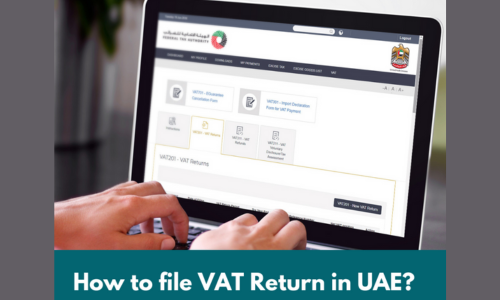
The UAE’s digital-first approach is exemplified by EmaraTax, the FTA’s official platform for managing tax obligations. Filing a VAT return is fully digital and involves the following steps:
1. Log In: Access the EmaraTax portal using your registered credentials.
2. Complete VAT 201 Form:
Enter relevant figures, including:
- Total taxable sales and output VAT
- Total taxable purchases and input VAT
- Imports and exports (including reverse charge entries, if applicable)
3. Review and Submit: Carefully verify all information to avoid errors, which can prompt audits.
4. Make Payment: Use any FTA-approved payment method such as bank transfers, credit cards, or e-Dirham.
The platform supports a wide range of business types, including those operating in free zones and international markets.
VAT Return Filing in Dubai: Unique Considerations
While VAT return filing in Dubai follows federal guidelines, the emirate’s unique economic environment introduces additional complexities.
1. Economic Diversity and Transactional Complexity
Dubai’s status as a global business and tourism hub means companies often deal with a mix of taxable, zero-rated, and exempt transactions, such as:
- Zero-rated supplies: e.g., exports outside the GCC
- Exempt supplies: e.g., certain financial services and residential property rentals
Proper classification and accurate reporting are crucial to ensure compliance.
2. Free Zones and Designated Zones
Dubai hosts several free zones, including Jebel Ali Free Zone (JAFZA) and Dubai Multi Commodities Centre (DMCC). Some of these are recognized as Designated Zones under UAE VAT law. Transactions involving the movement of goods between Designated Zones or from these zones to the mainland are subject to special VAT rules.
Businesses must keep accurate records to apply the correct VAT treatment.
3. Tourism and Tax Refunds for Tourists
Dubai’s thriving tourism industry introduces an additional VAT reporting element. Under the Tax Refunds for Tourists Scheme, participating retailers must report VAT refunds issued to eligible tourists. These refunds are shown as negative amounts on the VAT return and must be documented properly.
Reverse Charge Mechanism (RCM)
The Reverse Charge Mechanism shifts the responsibility of reporting VAT from the supplier to the recipient. This mainly applies to:
- Imported services from outside the GCC (e.g., IT services, consultancy)
- Certain goods imported into the UAE mainland
Businesses must self-assess the VAT due and report it in the relevant RCM section of the VAT 201 form.
Compliance Best Practices
To ensure smooth and accurate VAT return filing, businesses should adopt the following best practices:
1. Stay Organized
Keep digital and physical records of all transactions, invoices, and VAT payments. Tools like QuickBooks, Xero, or Zoho Books can help streamline this process.
2. Know Your Deadlines
Set automated calendar reminders and allocate internal resources in advance to avoid last-minute errors or delays.
3. Consult Tax Professionals
Hiring VAT consultants or advisory firms can be invaluable, especially for businesses with complex operations or international dealings.
4. Double-Check Imports
Ensure all imports and services subject to RCM are accurately recorded. This is a common area for mistakes and audit flags.
5. File Early
Submitting returns a few days before the deadline can help avoid technical glitches or last-minute portal issues.

Why Compliance Matters
VAT compliance is more than a legal requirement—it reflects your business’s commitment to transparency and responsible governance. The UAE government uses VAT revenues to invest in key sectors like:
- Infrastructure
- Healthcare
- Education
- Public Services
In Dubai’s competitive business landscape, a strong compliance record builds trust with investors, enhances credibility, and helps avoid costly penalties or reputational harm.
Common Pitfalls to Avoid
Even though VAT filing is digital, many businesses still make avoidable mistakes, such as:
- Late Filings: Automatically incur fines and can delay tax clearance.
- Incorrect Data Entry: Can lead to audits and reassessments.
- Ignoring Refund Claims: Businesses with excess input VAT should apply for refunds promptly to optimize cash flow.
Conclusion
VAT return filing in Dubai is an essential yet manageable task for businesses in one of the world’s most dynamic markets. By understanding the legal framework, using digital tools like EmaraTax, and following best practices, companies can turn VAT compliance from a challenge into a streamlined, efficient process.
Recent Comments